The Qualtrics Escape
From the Horizontal Tool Illusion
"At Qualtrics, we knew we weren’t just a better survey tool, but the world kept putting us in that box. Escaping the Existing Market Trap was a turning point. It gave us a new language, a new category, and a new level of clarity."
Ryan Smith
CEO Qualtrics

Stage: Series B thru Series C
From: Prospects stuck Qualtrics in the survey tool box, limiting their potential for impact and growth.
To: Reframed the category as Experience Management (XM).
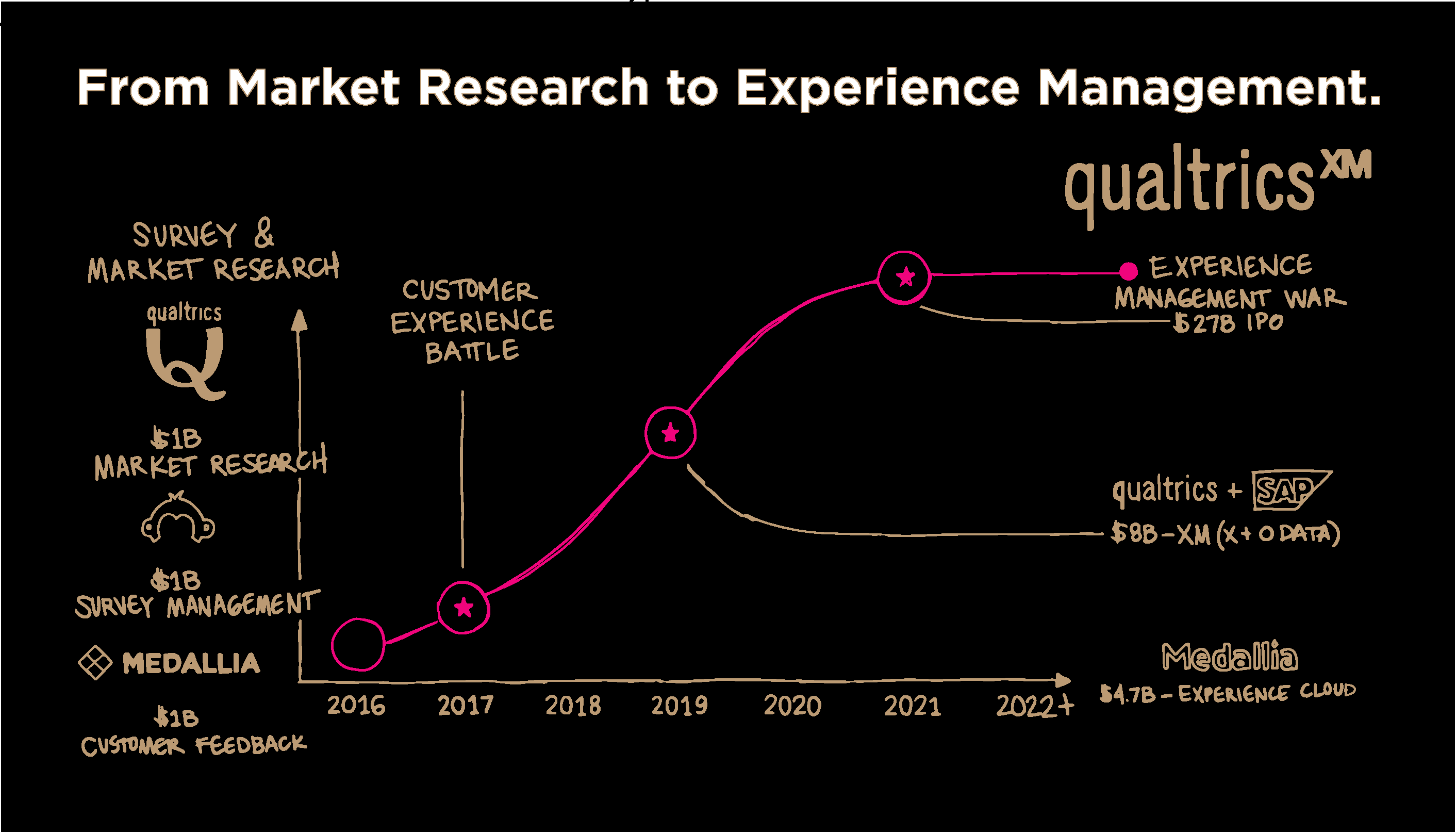
Outcome: Valuation grew from ~$1B to $27B at IPO in less than five years.
Successful, but falling short of their true potential
When we first met CEO Ryan Smith and the Qualtrics team in Provo, they were already successful:
| A loyal user base
| A flexible product
| Strong revenue growth
| Unicorn status
But Ryan was frustrated:
“I keep getting called Survey Software on steroids.”
It wasn’t just inaccurate.
It was limiting.
Because deep down, Ryan knew they were really building a system to help companies understand how people were experiencing their products, brands, and workplaces.
The Breakthrough: INSIGHT + POV + LIGHTNING STRIKE
The Bigger Problem
We started with a simple question:
“What do you actually get from a survey?”
Answer: insight into how someone feels—about a product, a service, a brand, a moment.
That data—the feelings, expectations, and perceptions—was the real value.
We gave it a name: X Data (Experience Data).
And once we named it, everything shifted.
Ryan and team realized:
“We’re not measuring transactions. We’re measuring experiences.”
The real problem wasn’t survey fatigue.
It was experience blindness—a massive misalignment between what companies thought they were delivering… and what people actually felt.

Naming the Villain
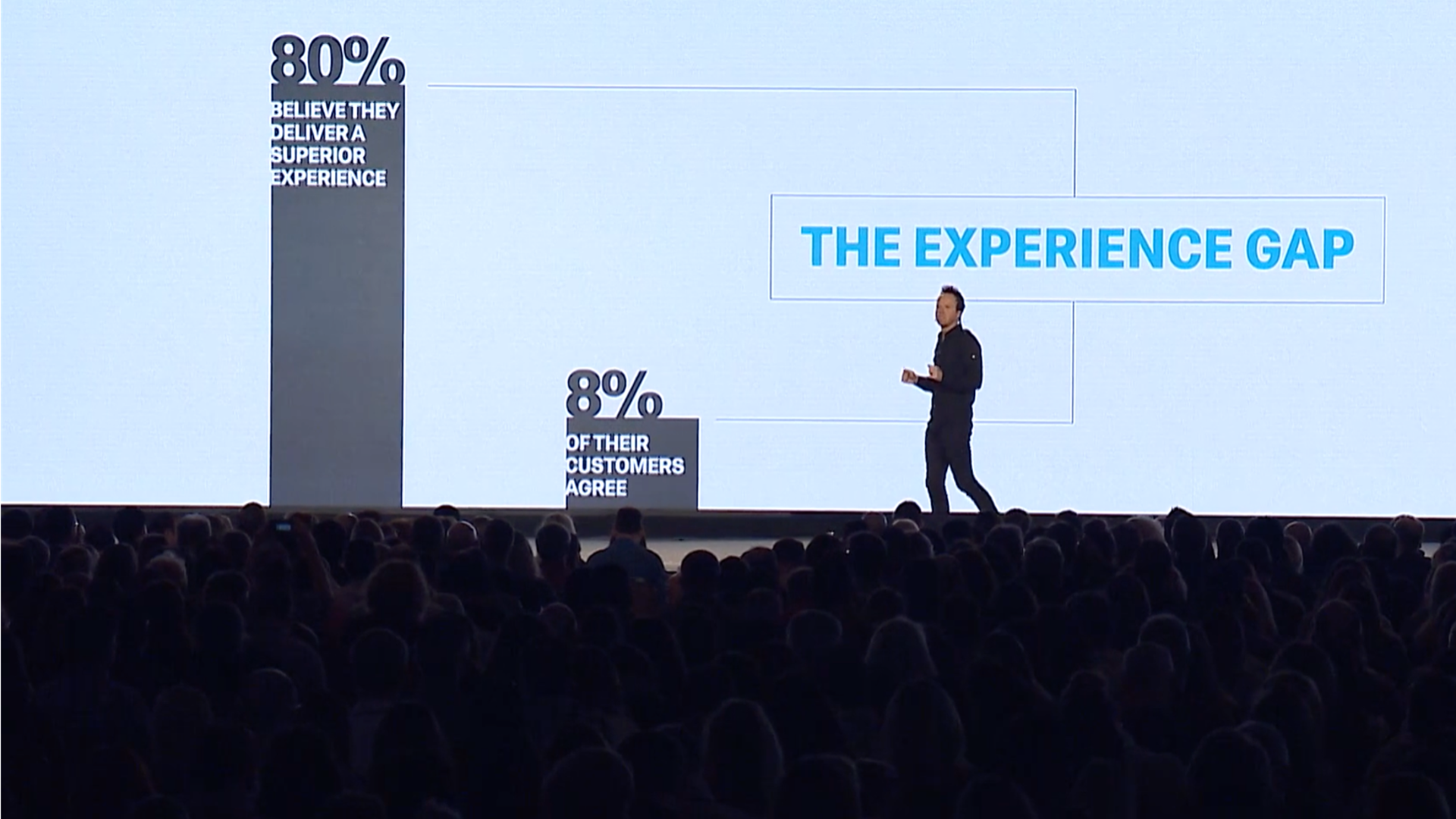
We called it: The Experience Gap.
To make it real, we backed it with data:
| 80% of CEOs believed they were delivering great experiences
| Only 8% of customers agreed
That 72-point delta became the villain.

The Category: Experience Management
Once the Experience Gap was named, the solution became obvious.
To close the gap, companies needed a system to measure, understand, and act on X Data—across every part of the business.
We called it: Experience Management.
Shortened it to XM. And it stuck.
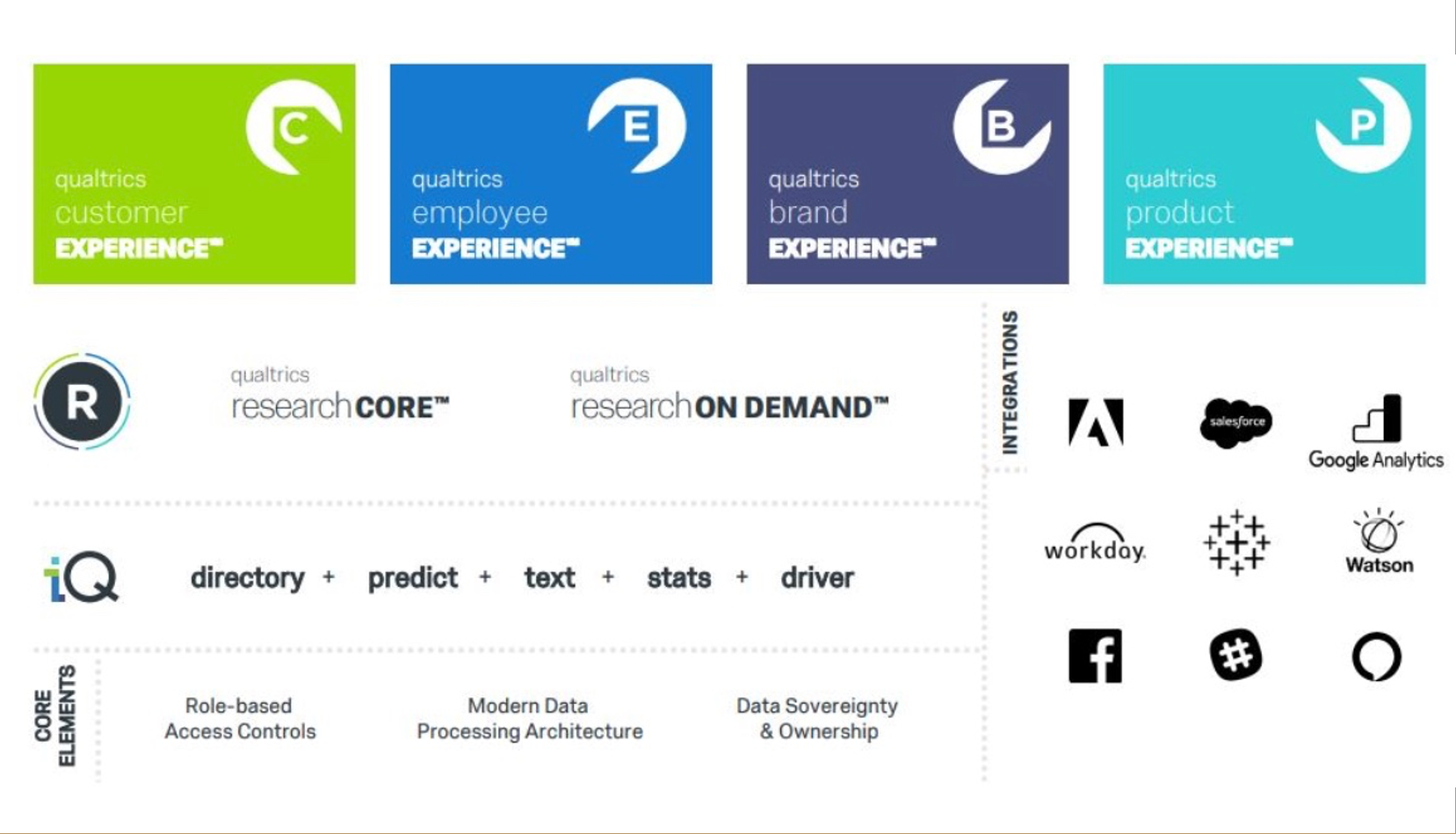
XM became the platform for managing four core experience types:
| CX (Customer Experience)
| EX (Employee Experience)
| PX (Product Experience)
| BX (Brand Experience)
And Qualtrics became the company that delivered it.
Internal Mobilization: The Burning of the Boats
The turning point came in a founder-led exec meeting.
Ryan walked the team through the full POV:
| The villain: The Experience Gap
| The vision: Revolutionizing Experience
| The category: Experience Management
| The Blueprint: XM across the enterprise
Then he said:
“I’m about to make a very big strategic step—from surveys to XM.
And I want you all with me.”
One by one, every exec said yes.
That was the moment.
The Burning of the Boats.
From that day forward, Qualtrics wasn’t a survey company.
They were XM.
Lightning Strike: Reframing the Market
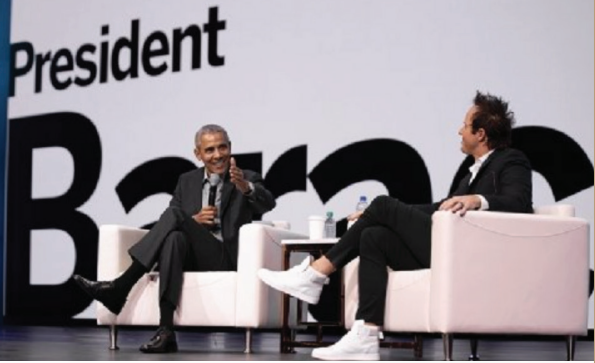
The external Lightning Strike came at Qualtrics’ annual Insights Conference.
3,000+ attendees.
And one huge narrative shift.
Ryan stood on stage and reframed the problem:
“What you care about isn’t the survey—it’s what it measures.
It’s experience.”
Then he dropped the stat:
“80% of CEOs think they’re delivering great experiences.
Only 8% of customers agree.”
There was an audible groan.
Everyone in the room felt it.
Then came the platform:
The XM Platform
The Four core experiences of business:
CX (Customer Experience)
EX (Employee Experience)
PX (Product Experience)
BX (Brand Experience)
"These are the four corners of the modern enterprise”
The POV landed.
XM was real.
And the market moved.
Qualtrics stopped delivering survey tools—and started delivering systems.
| SAP acquired Qualtrics for $8 billion in 2018
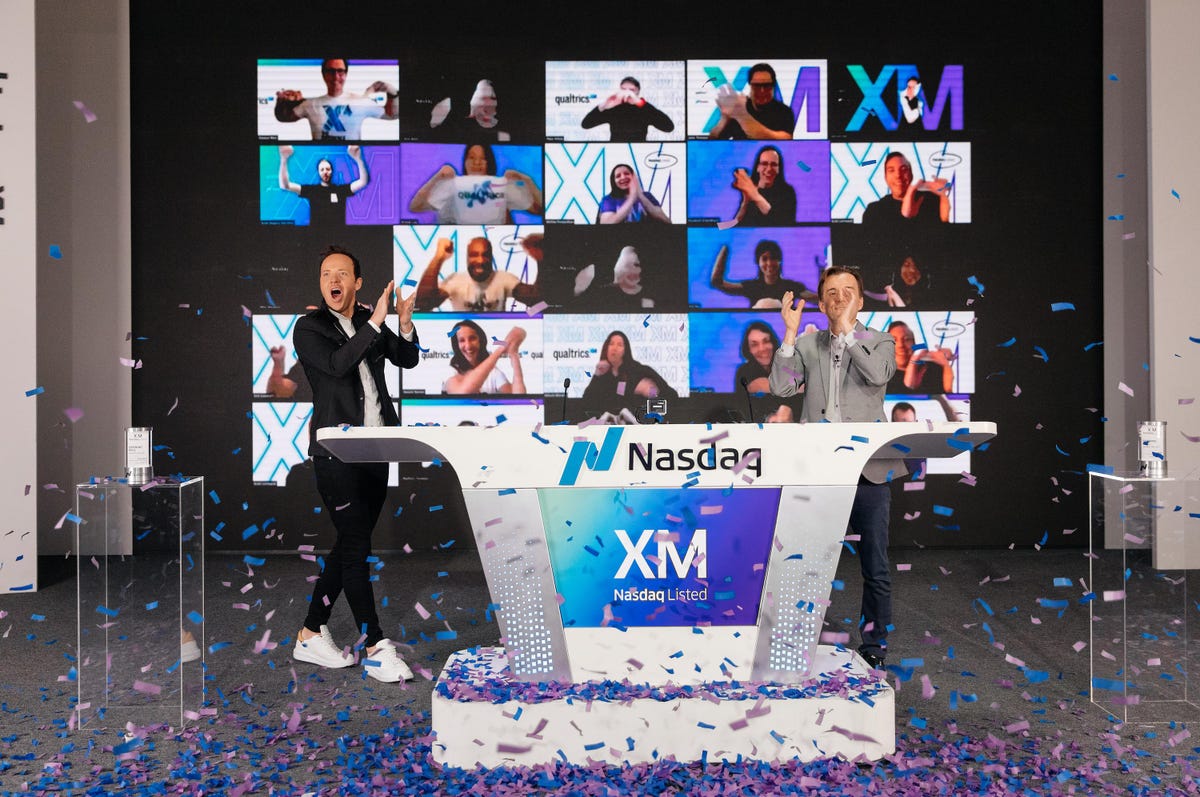
| They went public in 2020 with a $27 billion market cap
| XM became their ticker symbol
They went from being compared to SurveyMonkey.
To being recognized as the creators and Kings of Experience Management.