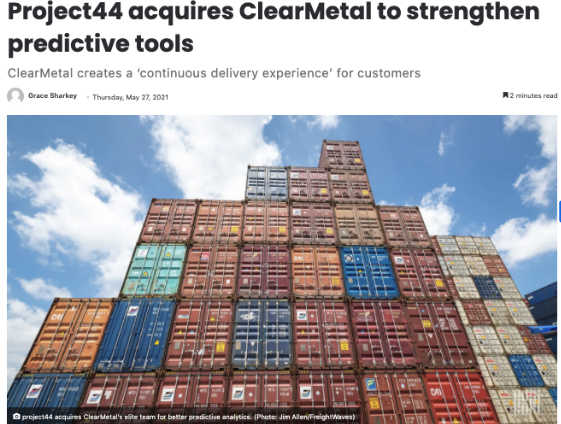
ClearMetal: The Company That Escaped—Twice
"We were technologists with great software—but the market didn’t get it. Category Design gave us the language, the problem, and the frame. It enabled us to shift from selling a useful tool to shipping companies to becoming an essential platform for modern retailers to manage customer expectations."
Adam Compain
Founder & CEO, ClearMetal

Stage: Seed
From: A Solution Looking for a Problem.
To: Strategic buyers understanding what ClearMetal actually was.
Outcome: Acquired by Project44.
The Engineer’s Dilemma: Built, But Not Understood
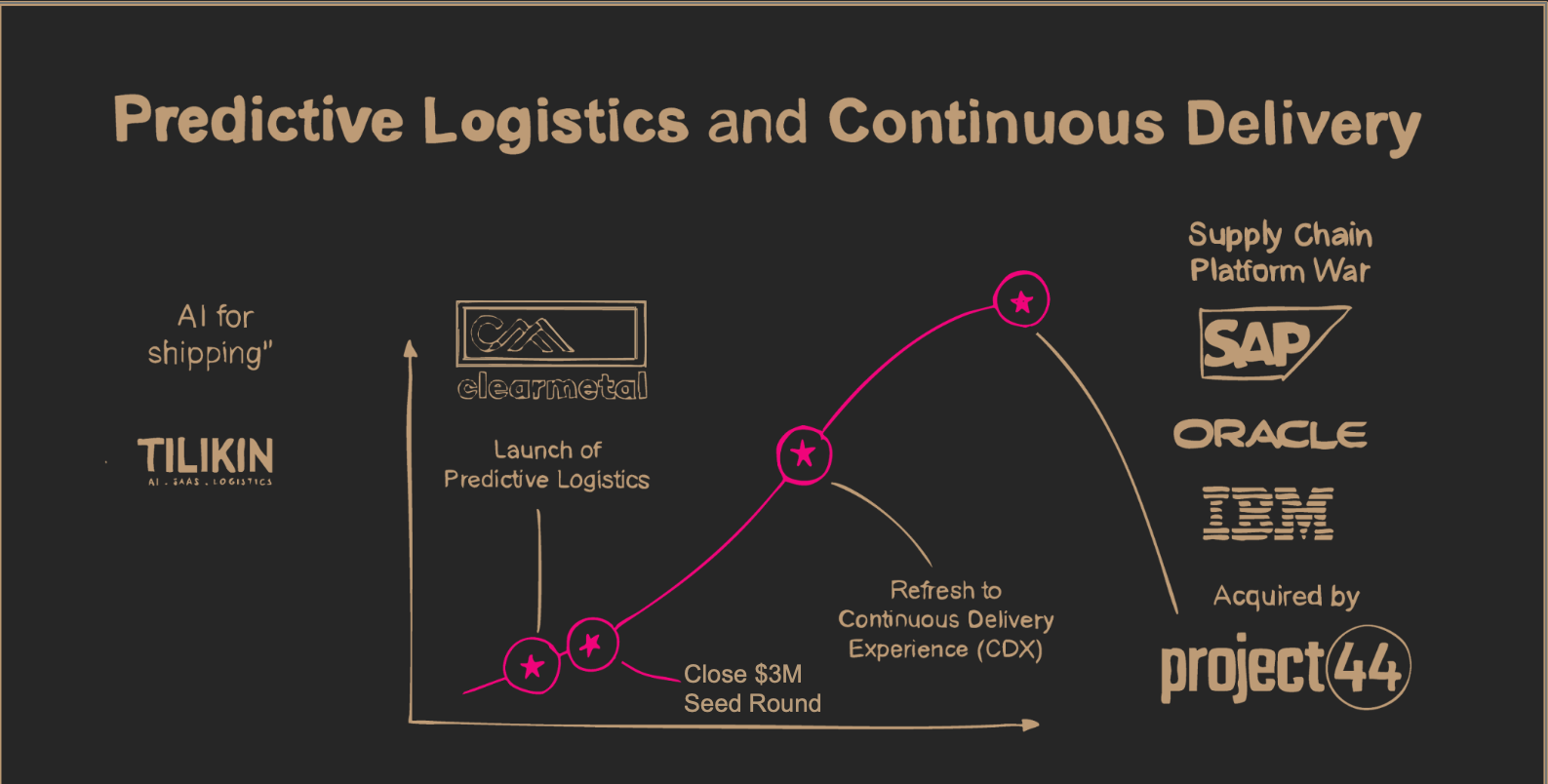
Three Stanford founders. One garage. A bold idea at the intersection of machine learning and global trade. ClearMetal (originally called Tilikin) set out to predict where freight was and when it would arrive. They had the talent. The funding. A technically sophisticated platform. But no one knew what to call them.
“Are you a visibility tool?”
“Like Flexport?”
“A dashboard for logistics?”
They weren’t. But they hadn’t yet built the belief to say what they really were.
When we started working with ClearMetal, the product was real. But the category wasn’t. They were using advanced Machine Learning (ML) to predict shipment arrivals, identify bottlenecks, and re-optimize supply flows. But no one could feel the pain. After weeks of field interviews, a new pattern emerged:
| Global commerce had changed.
| Amazon had reset expectations.
| “On time” now meant “real time.”
The Breakthrough: INSIGHT + POV + LIGHTNING STRIKE
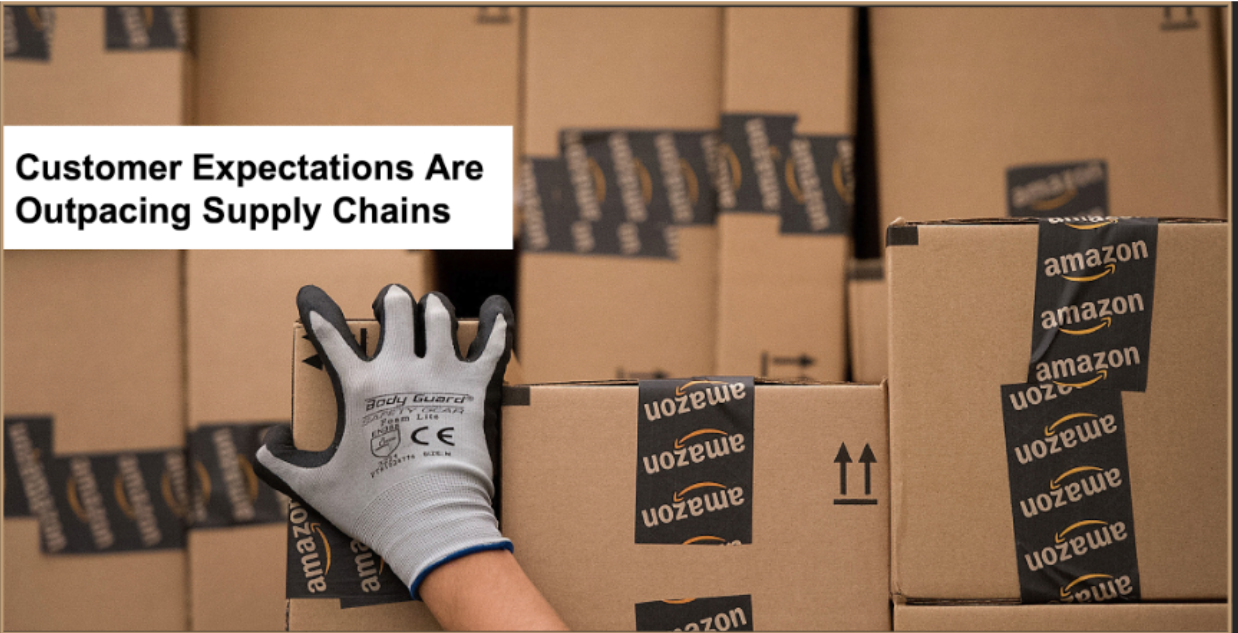
The problem? Shipping infrastructure hadn’t kept up.
The systems couldn’t tell you what happened today—let alone predict tomorrow.
And the problem: Outdated IT in the age of Amazon. It wasn’t just a logistics issue. It was a systemic economic threat.
We named the villain: The Now Economy Gap.
With the problem and villain in place, we worked with the team to define the new category:
Predictive Logistics. It wasn’t about where a shipment was. It was about where it would be—and what to do about it.
The POV was simple: “You can’t win in the Now Economy using yesterday’s systems.”
ClearMetal wasn’t a control tower or a Business Intelligence (BI) tool. It was a learning platform for global freight. And that distinction gave them gravity.
The Lightning Strike: Long Beach, California
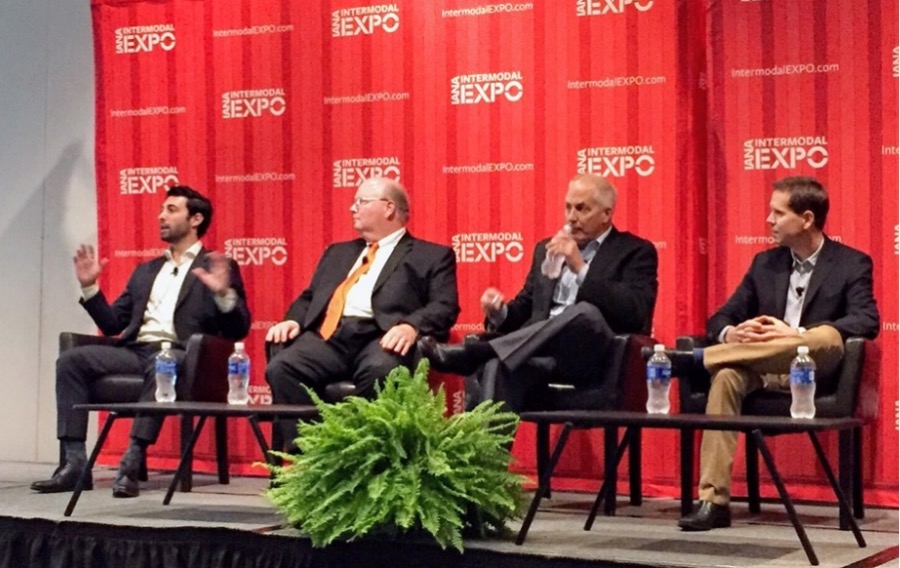
We launched the category at a Lightning Strike in Long Beach—one of the busiest shipping hubs in the U.S. The event brought together execs from ports, forwarders, carriers, and brands. We walked through the Now Economy Gap and positioned Predictive Logistics as the solution.
| “Legacy logistics shows you what happened yesterday.
| Predictive Logistics tells you what happens tomorrow.”
It landed. The press picked it up. Analysts wanted briefings. And for the first time, strategic buyers understood what ClearMetal actually was. Belief showed up.
Evolving the POV: Continuous Delivery Experience (CDX)
A few years later, ClearMetal realized their best customers weren’t carriers. They were retailers. Like BIG ones. Retailers didn’t just want to track freight. They wanted to manage customer expectations. And that shifted everything.
The product didn’t change—but the problem did. The buyer changed. So the category had to change, too.
In 2020, ClearMetal launched a new category: Continuous Delivery Experience (CDX).
The new POV said:
| “Fulfillment is the new front line of customer experience.”
Retailers didn’t just want visibility—they wanted predictability. They wanted to know what was coming, when, and how it would impact promises made to customers. CDX reframed logistics as an experience layer for modern brands. And ClearMetal made the leap.
In 2021, ClearMetal was acquired by Project44.
“What we gain from ClearMetal is a holistic platform,” said Project44’s Duboe.
“They have large customers with advanced use cases … we can now move upstream.”
ClearMetal didn’t just escape the Engineer’s Dilemma. They evolved their POV—twice. And proved that great companies don’t just build features. They build belief.